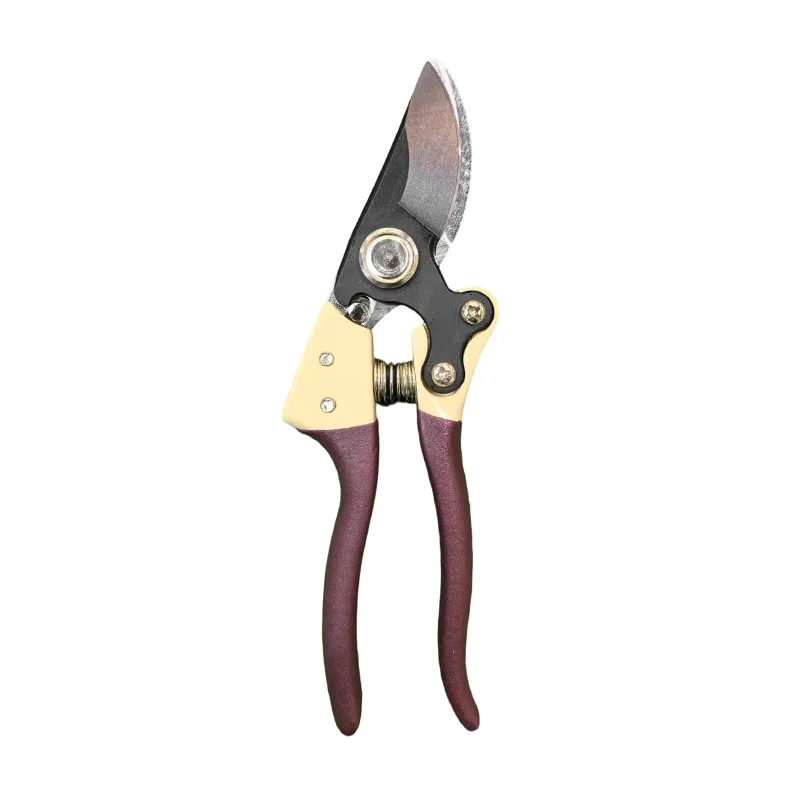
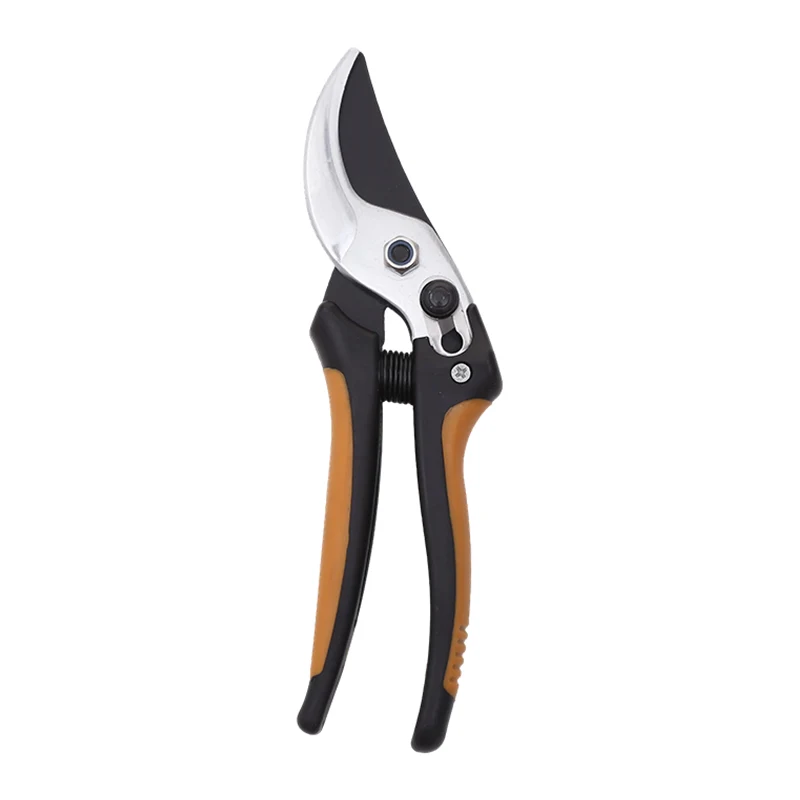
Yongkang City Fubang Garden Tools Factory's Single-tube High Branch Shears offer an extended reach and ergonomic design, raising a common question among gardeners: is it better to replace the blade or invest in a new tool when wear occurs?
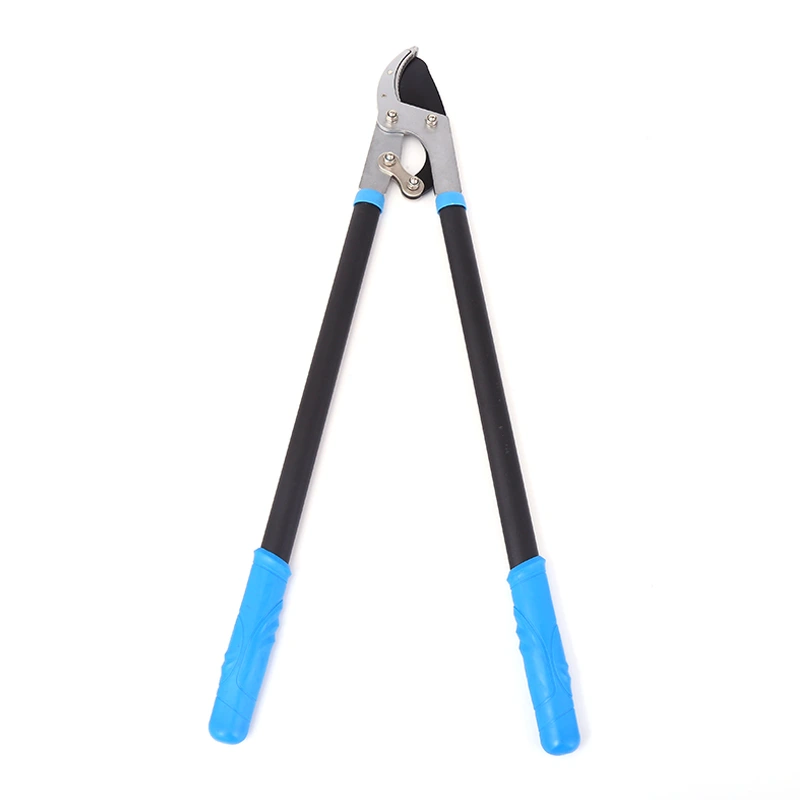
The High Branch Shears are designed for precision cutting of tall hedges, shrubs, and fruit trees. Over time, repeated use can dull the blades, affecting cutting efficiency and plant health. A dull blade requires more force, increasing fatigue and the risk of uneven cuts, which may harm plant growth.
Gardeners often struggle to know when a shear is no longer effective. Here are practical indicators:
| Indicator | Explanation | Action |
| Uneven cuts | Branches are torn or shredded | Inspect blade edges for nicks or chips |
| Excessive effort | Increased hand fatigue during use | Consider sharpening or replacing blades |
| Rust or corrosion | Blade surface shows discoloration or pitting | Clean thoroughly and apply protective coating |
Understanding these signs helps gardeners decide whether blade replacement is feasible or if a new shear is necessary.
Many models of Single-tube High Branch Shears feature removable blades. Replacement is straightforward with proper guidance:
- Unscrew the blade attachment carefully.
- Inspect the connecting mechanism for wear.
- Replace with a compatible blade, ensuring proper alignment.
- Test the shear on a small branch to confirm sharpness and stability.
Replacing the blade extends the life of your shears, reduces waste, and maintains optimal cutting performance. It is often cost-effective compared to purchasing a new tool, provided the handles and pivot mechanism remain in good condition.
While blade replacement is helpful, there are cases where buying a new Single-tube High Branch Shear is the better option:
| Condition | Reason |
| Bent or broken handle | Structural integrity is compromised |
| Worn pivot joint | Affects smooth operation and cutting efficiency |
| Frequent repairs | Ongoing maintenance becomes inconvenient |
| Outdated ergonomics | Modern designs offer lighter weight and improved comfort |
New shears often come with enhanced features such as adjustable cutting heads, lightweight aluminum tubing, and ergonomic grips, making them a worthwhile investment for frequent users.
Maintaining Single-tube High Branch Shears extends their efficiency and reduces unnecessary replacements:
- Clean after each use – Remove sap and debris to prevent corrosion.
- Lubricate moving parts – Keeps pivot mechanisms smooth.
- Sharpen regularly – Maintain blade precision for healthy cuts.
- Store properly – Keep in a dry, cool place to prevent rust.
| Frequency | Task |
| After every use | Clean, wipe dry, apply light oil |
| Monthly | Inspect for blade damage, tighten screws |
| Quarterly | Deep clean and sharpen blades, check pivot joints |
| Annually | Replace worn components or evaluate shear condition |
Deciding whether to replace the blade or get new High Branch Shears often depends on the shear's overall condition. A functional handle, solid pivot, and minimal blade damage suggest blade replacement is sufficient. Conversely, bent handles, worn joints, and persistent maintenance issues signal that new shears will save time and effort in the long run.
Gardeners seeking both efficiency and comfort should consider the total life-cycle cost. Blade replacement is economical for well-maintained tools, while a full replacement may provide ergonomic improvements and reduce future maintenance needs.
Single-tube High Branch Shears are an essential tool for precise and efficient hedge and shrub maintenance. By understanding when to replace the blade and when a new shear is preferable, gardeners can maintain optimal cutting performance, prolong tool life, and ensure healthier plants. Yongkang City Fubang Garden Tools Factory continues to provide durable, high-quality shears designed with both usability and maintenance in mind, offering reliable solutions for everyday gardening challenges.
-